The Center for Invasive Species Research
CISR: Leading the Fight Against Invasive Species in California
Every 60 days, California gains a new and potentially damaging invasive species.
This rate of invasion results, on average, in six new species establishing in California each year. Economic loses to California from invasive species are estimated at $3 billion per year. The unique climate and geography of California provides diverse ecosytems which are perfect for the establishment of a diverse variety of new pests. CISR's researchers lead the way to determine how pests enter California, where invading populations came from and why these pests are successful in establishing California as their home. Learn more about the CISR program
Red Alert!
Huanglongbing (HLB) Found in Los Angeles County
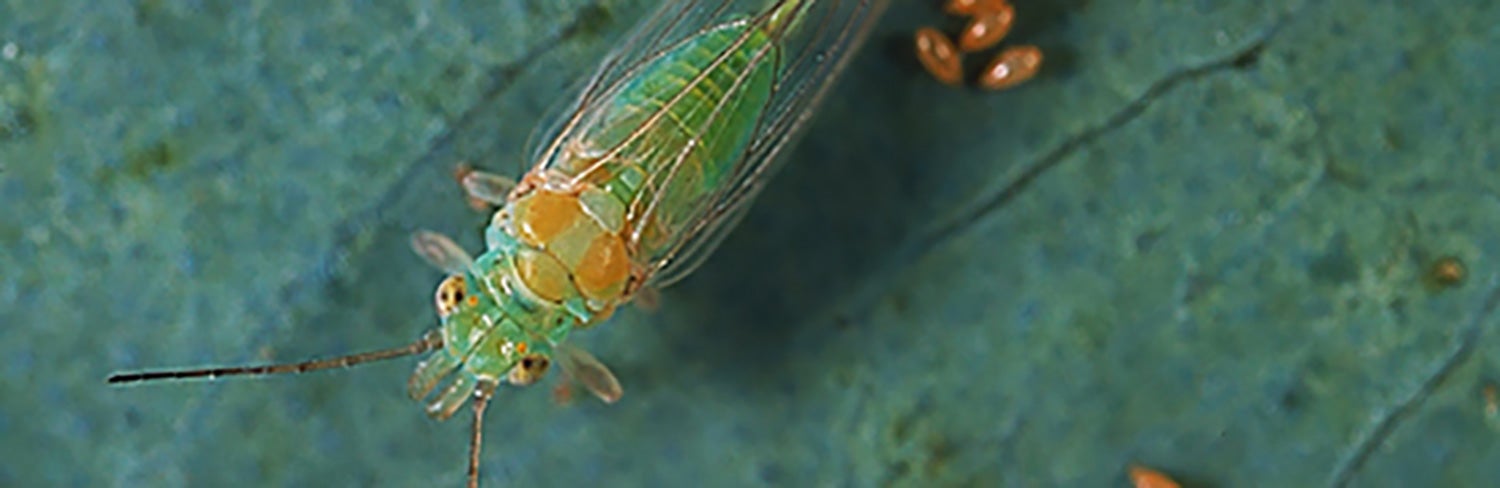
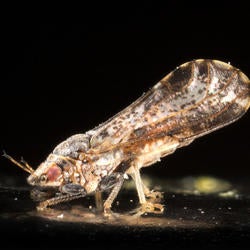
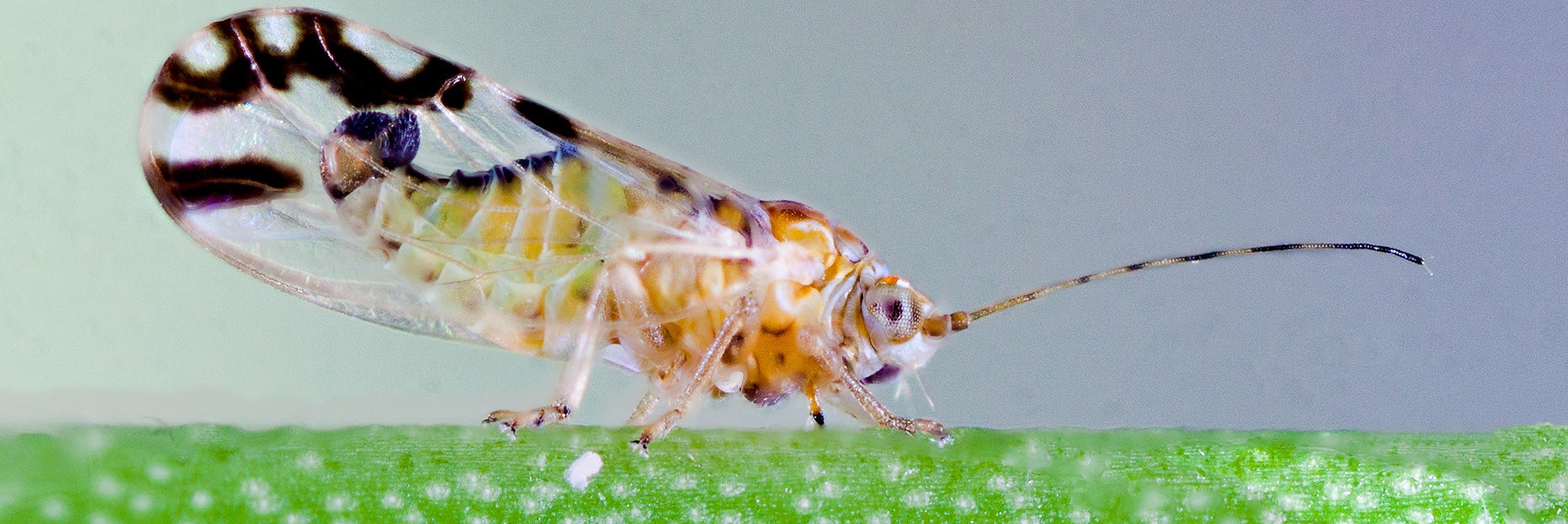
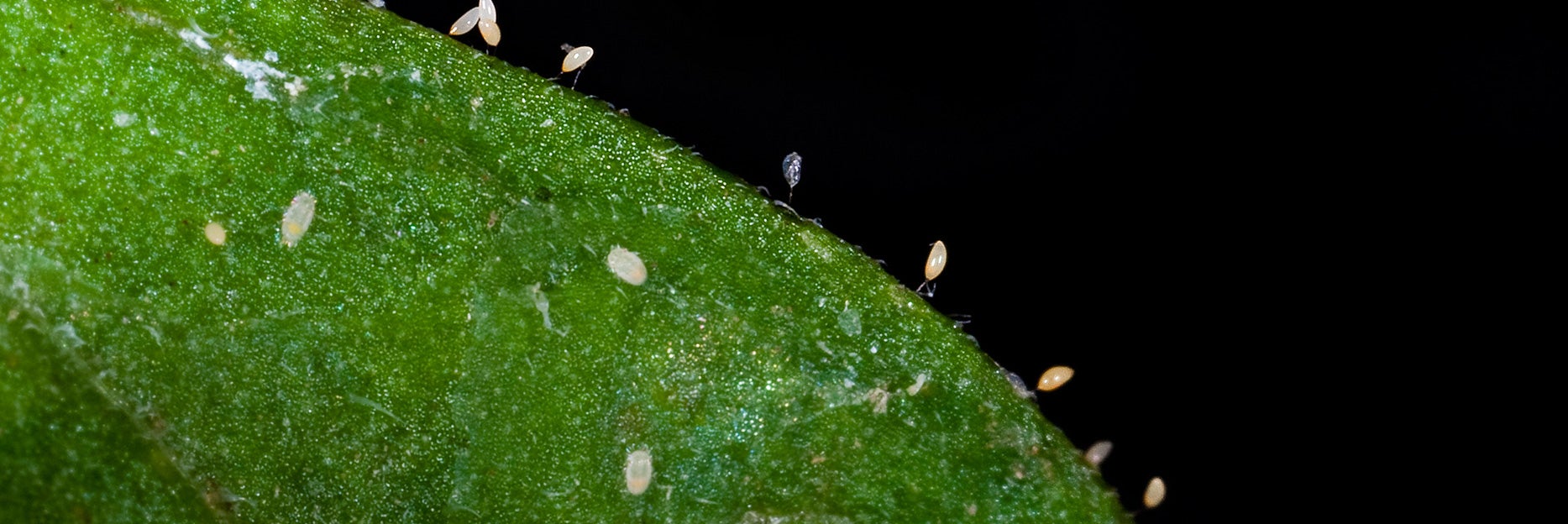
In April 2012 the California Department of Food and Agriculture (CDFA) removed a pumelo tree with a lemon graft from Hacienda Heights in Los Angeles County after the tree and an Asian citrus psyllid found on the tree both tested positive for a lethal citrus disease, Huanglongbing (pronounced Wong-Long-Bing [HLB]). HLB is caused by a bacterium, and HLB-causing bacteria kill citrus by affecting the food transportation systems of infected trees. There is no known cure for the disease, and the HLB-bacterium does not pose a threat to humans, pets, or other plants. Continue reading on CISR blog
Spotlight: Red Palm Weevil
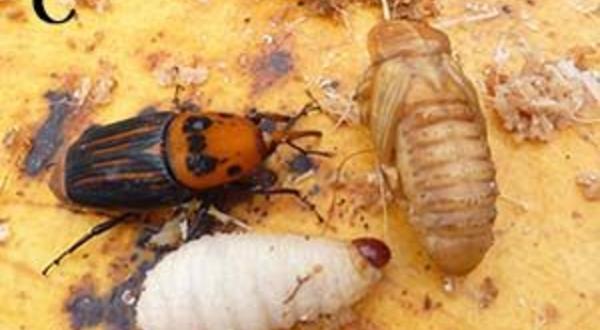
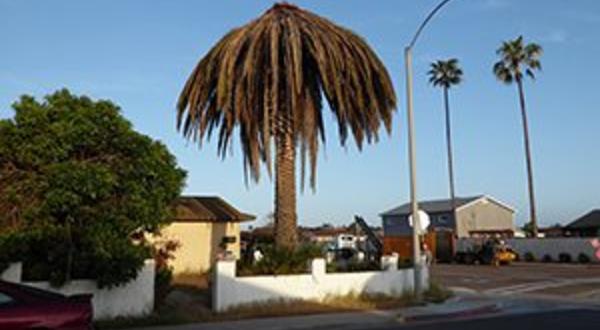
The Red Palm Weevil is widely considered the most devastating insect to attack palms has been found in Laguna Beach, Orange County California. The weevil was originally found by a landscape specialist in late August 2010 infesting a Canary Islands palm in a residential area. Subsequent investigation by plant health regulatory officials confirmed the presence of weevils at the original detection site.
Read more about the Red Palm Weevil
New Invasive Species on CISR
Tea Shot Hole Borer
The Tea Shot Hole Borer carries a symbiotic fungus. The beetle can be a serious pest on tea in Sri Lanka and India...
Sahara Mustard
In the last couple of decades, Sahara mustard has spread rapidly across the desert landscape, causing desert land managers and others to wonder.....
Bed Bugs
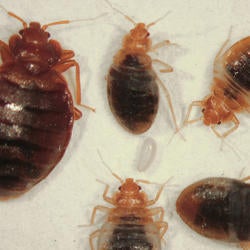
Bed Bug infestations have been reported from all over the US and Europe, and California is no exception. Together with bat bugs, swallow bugs, and poultry...
Brown Widow Spider
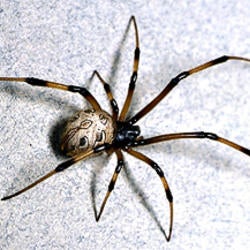
The Brown Widow Spider does have an hourglass but it is typically an orange shade rather than the vivid red of a black widow. The brown widow looks...
Can Exotic Species Evolve and Become Invasive in their New Home?
Have you ever wondered why only a small fraction of introduced species of plants and animals become invasive while others remain well behaved in their new home? This is a puzzling question for invasion biologists and regulators developing plans to manage invasive species. Dr. Norman Ellstrand , a Professor of Genetics in the Department of Botany and Plant Sciences at UC Riverside has studied this issue. In a new contribution to the CISR website, Norm provides two different ideas for us to think about: (1) some species are “born bad” and they have a natural ability to invade and become pests quickly, while (2) other introduced species that were initially well behaved in their new home for a very long time, perhaps a 100 years or more, under go slow genetic changes as they adapt to their new environment and they evolve to become invasive! You can read about more of these really interesting ideas
FAQ's about Invasive Species
What are invasive species?
Invasive species, alien species, exotic pests, bio-pollution, non-indigenous species, or invasive alien species, are common names that categorize non-native animals, microbes, diseases, or plants that are pests. These pests are not native in areas in which they cause problems and they are considered "invasive" because they invade new areas and the resulting invasion causes economic or environmental problems. Read more invasive species FAQ's
Where do invasive species come from?
Invasive species are often native to a country or area different to that in which they have invaded and are now causing problems. On average, California acquires around six invasive species per year, this is a rate of one new species every 60 days. Hawaii and Florida acquire new species at a round of around 15 per year. Read more invasive species FAQ'sWhy are invasive species a problem?
Invasive species cause a wide diversity of economic and environmental problems which almost always arise from uncontrolled population growth and spread in the area which has been invaded. Economic problems arise from the costs required to control invasive species, to reduce their rate of spread, or the need to inspect agricultural products that are being exported that may accidentally move the invasive pest to a new area. Read more invasive species FAQ's